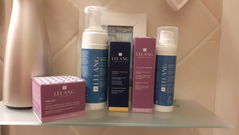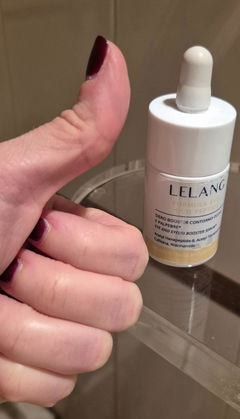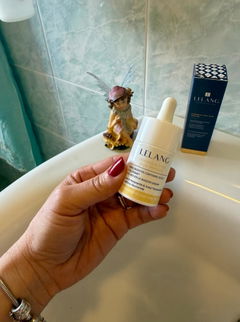

Eye Contour
-
![Siero Formula Eyes Duo Peptide per occhiaie borse e rughe su sfondo bianco]()

FORMULA EYES DUO PEPTIDE
Peptide booster eye contour serum for under-eye bags, dark circles, and expression linesRegular price €44,00 -
![Vitis Eyes Contour LeLang, contorno occhi in flacone airless]()
VITIS EYES CONTOUR
Lifting eye contour cream for wrinkles, bags and dark circlesRegular price €47,00


Why the eye contour area requires a dedicated product
The skin around the eyes is extremely thin and almost entirely lacking the sebaceous glands found elsewhere on the face. Constantly stressed by facial expressions and fatigue, it is the first to show lines, sagging and microcirculation changes. Traditional facial formulas, however moisturising, are often not enough or are excessively rich, making specific products with rapid absorption and a non-greasy texture essential.
How to choose between an eye contour serum and cream
To revive the vitality of your eyes, it is useful to alternate the texture best suited to different times of day. A fluid, concentrated eye contour serum is the ideal choice in the morning. Thanks to peptides with a natural lifting effect and active ingredients that stimulate subcutaneous microcirculation, it provides a rapid draining action against bags and dark circles. A richer eye contour cream, on the other hand, works in depth during the night, providing long-lasting nourishment and smoothing expression lines.
Would you like to find the perfect routine for your skin? Discover all our advice in the complete guide to the eye contour area.
Frequently Asked Questions
-
Why can't I use facial cream on the eye contour area as well?Generic facial creams are often too rich for this thin area, which lacks sebaceous glands: they can cause a heavy feeling or the formation of microcysts (the so-called “milia”).
-
At what age should I start using a specific eye contour product?There is no set age: from 25-30 onwards, a lightweight treatment can prevent the first signs of dehydration, while after 40, targeted action against wrinkles and sagging becomes important.
-
Should eye contour product also be applied to the mobile eyelid?It depends on the formula. Formula Eyes Duo Peptide can also be applied to the mobile eyelid by gently patting it in; for other eye contour products, follow the instructions on the product page. In any case, avoid direct contact with the inside of the eye.