
Sustainable cosmetic packaging: complete guide to solutions and regulations 2026


[INDICE:h2]
EU Regulation 2025/40: what changes for packaging in the cosmetic and food sectors
Regulation (EU) 2025/40, published in the Official Journal of the European Union on January 22, 2025, represents one of the most important regulatory revisions in packaging in recent years. It is known as the Packaging and Packaging Waste Regulation (PPWR) and has a clear objective: to drastically reduce packaging waste while harmonizing rules among Member States.
With a cross-sector impact — from food to cosmetics, from trade to tourism — the regulation introduces new bans, reuse obligations, and eco-friendly design requirements. In this article, we analyze the highlights for the cosmetic and food sectors, particularly in the HoReCa channel, and the current status of regulatory deadlines.
Key deadlines of the Regulation
The application of the new rules will be progressive, but two dates stand out above all:
-
From January 1, 2030, various single-use packaging formats will be banned, including those intended for cosmetics and food products in the hospitality sector.
-
From August 2026, the general implementation phase begins, serving as an operational start without yet introducing binding bans on specific formats.
Cosmetics in hotels: end of single-dose bottles
The regulation directly affects the use of single-dose bottles in hospitality settings. Article 25, in combination with Annex V, establishes that:
"Single-use packaging for cosmetics and hygiene products intended for use in the hospitality sector, provided for a single booking and intended to be disposed of before the arrival of the next guest" will be banned from January 1, 2030.
This means that mini bottles of shampoo, conditioner, shower gel, or body cream will no longer be offered in hotels and similar facilities.
However, important exclusions are foreseen:
-
Travel sizes sold retail
-
Sample sachets for commercial use
-
Healthcare facilities
Alternative solutions already in use
Many facilities are already adapting. Alternatives include:
-
Rechargeable wall dispensers, sealed and easily sanitized
-
Solid cosmetics such as shampoo or bar soaps
-
Professional refill systems, with certified canisters and bottles
The goal is to ensure a sustainable transition without lowering hygiene or service standards.
The contribution of Lelang
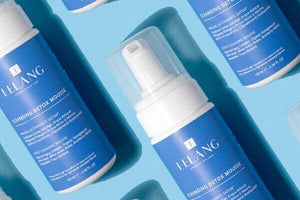
In our corporate journey, at Lelang we have already eliminated non-essential secondary packaging, preferring lighter and less impactful solutions. We use paper bags instead of synthetic plastics and carry out active research on alternative materials for single-dose packs, while being aware of the technical and regulatory complexities related to this transition. These topics will be covered in more detail in our future article dedicated to sustainability.
The ban in the food sector
The regulation also prohibits, from January 1, 2030, the use of single-use packaging for on-site consumption in the catering and hospitality sector. Those involved are:
-
Packets of sauces, condiments, sugar, oil, vinegar, jam, butter and similar
Are excluded from the ban:
-
Takeaway food and home delivery
-
Retail sales
-
Healthcare facilities
Open issues to clarify
In food service, the introduced changes will require process adaptation. Single-dose products have guaranteed convenience and hygiene for years. The introduction of dispensers or reusable containers must therefore be accompanied by a clear definition of shared hygienic and sanitary requirements.
It will also be important to clarify how local regulations (such as HACCP and ASL provisions) will adopt and interpret the new European directives.
What it means for companies
All supply chain operators — from manufacturers to distributors, from hotels to restaurants — will have to:
-
Rethinking packaging design and materials
-
Introducing reusable or compostable solutions
-
Training staff and updating operational flows
-
Monitoring regulatory developments
Those who prepare in advance will be able to face the 2030 deadline more calmly and position themselves as responsible players.
Specific challenges in beauty
In the cosmetics sector, every packaging change requires:
-
Stability test for the product
-
Compliance with EU cosmetics regulations
-
Hygienic and safety validation
Companies are evaluating alternatives such as:
-
Single-dose sachets in treated paper or bioplastics
-
Thinner and easily separable barrier films
-
Refill and reusable bottles
An evolving scenario
In the coming months, the following are expected:
-
National technical guidelines
-
Harmonized rules for environmental labeling
-
Operational guidelines from the European Commission
Monitoring developments and participating in the debate is essential to build a sustainable and pragmatic transition.
Conclusions
Regulation (EU) 2025/40 presents real challenges but also great opportunities for innovation, especially for the cosmetic and food sectors.
At Lelang, we will continue to invest in sustainable research and design, supporting the regulatory transition with concrete and measurable choices.
Sources:
-
Regulation (EU) 2025/40 - EUR-Lex: https://eur-lex.europa.eu/legal-content/IT/TXT/?uri=CELEX%3A32025R0040
-
Annex V and Article 25 of the PPWR Regulation
-
Official summary of the European Commission
-
Sector communications (KPMG, EuroCommerce, Cosmetica Italia)


RECENT POSTS