


EU Regulation 2025/40: what changes for packaging in the cosmetic and food sectors


[INDICE:h2]
The new features introduced by EU Regulation 2025/40
Regulation (EU) 2025/40, published on January 22, 2025, in the Official Journal of the European Union, represents a turning point in European packaging legislation. Known as the Packaging and Packaging Waste Regulation (PPWR), it aims to drastically reduce packaging waste and ensure greater harmonization among Member States.
The regulation touches on several key aspects:
-
Progressive ban on single-use packaging in certain sectors;
-
Reuse and refill obligations;
-
Greater recyclability and use of sustainable materials;
-
New guidelines for environmental labeling;
-
Extended producer responsibility.
The main goal is to reduce per capita packaging waste production by 15% by 2040, promoting more circular and sustainable consumption models.
Deadlines and phases of regulatory implementation
The implementation of the regulation will follow a progressive approach to allow businesses the necessary time to comply:
-
August 2026: general entry into force, start of preparatory phases and definition of national guidelines.
-
January 2030: effective ban on specific single-use packaging, especially in the HoReCa and cosmetic sectors.
-
2040: Structural targets for reducing overall packaging volumes.
Deadlines will apply differently depending on the type of packaging and the context of use.
End of single-dose bottles in the cosmetic sector
One of the most significant points of the regulation concerns the cosmetic sector in the hotel context. Article 25, combined with Annex V, establishes the ban, from January 1, 2030, on single-use packaging for cosmetic products provided for a single booking in accommodation facilities. This includes:
-
Shampoo, conditioner, and shower gel in mini bottles;
-
Body cream and other personal hygiene products provided in single-dose bottles.
However, excluded from this ban are:
-
Travel products sold at retail;
-
Commercial samples;
-
Healthcare and hospital facilities.
For a comprehensive insight into sustainability strategies in beauty, read our guide to sustainability in cosmetic packaging
Alternative solutions for hotels and accommodation facilities
Many industry operators are already moving towards more sustainable solutions, including:
-
Refillable dispensers, wall-mounted, designed to ensure hygiene and ease of maintenance;
-
Solid cosmetics, such as bar soaps and shampoos, easily portionable;
-
Certified refill systems, with reusable professional bottles.
The challenge is to find the right balance between sustainability, practicality, and compliance with hygiene and health regulations.
LeLang's contribution to packaging sustainability
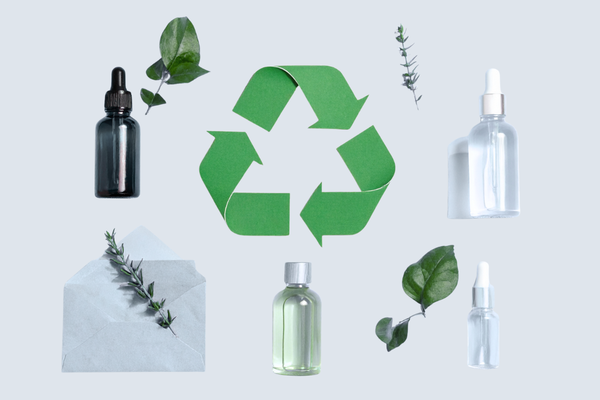
In this transition context, at LeLang we have long since started a process to reduce the environmental impact of our packaging. We have chosen to eliminate non-essential secondary packaging, use recycled paper bags, and test innovative and lighter materials to reduce the weight and volume of packaging. Our research on alternative materials continues carefully, aware of the technical and regulatory complexity of the topic. We will dedicate an in-depth article to this in the Lelang Green section.
The single-dose ban in the food sector
Regulation 2025/40 also introduces bans in the food sector, with particular impact on catering and the HoReCa channel. From January 1, 2030, the following will be prohibited:
-
Single-dose packets of sauces, oil, vinegar, sugar, jams, butter, and other condiments offered for on-site consumption.
The exclusions to the ban include:
-
Takeaway and delivery services;
-
Traditional retail sales;
-
Healthcare and hospital settings.
The regulation has a direct impact on bars, hotels, and restaurants, which will have to review their serving methods.
Operational challenges and open issues
The elimination of single-use raises many practical questions. Among the main ones:
-
How to ensure hygiene and food safety without the single-dose seal?
-
How to avoid waste and contamination in collective dispensers?
-
How will local HACCP rules and ASL inspections be harmonized?
The definition of shared standards and best practices will be essential to avoid uncertainties and application issues.
Implications for companies and supply chain operators
Companies in the supply chain — manufacturers, distributors, retailers — will face significant changes:
-
Redesign of packaging with reusable or compostable features;
-
Staff training on new procedures;
-
Adjustment of production processes;
-
Audit and technical documentation to demonstrate compliance with new regulations.
The most proactive companies could seize the opportunity to position themselves as leaders in the sustainable transition.
Critical issues in the beauty sector: testing, hygiene, and safety
In the cosmetic sector, abandoning single-dose requires strict management:
-
Dispenser must be sealable and easy to sanitize;
-
The content must remain stable over time and not be contaminable;
-
Stability tests and microbiological validation must be performed;
-
It is also necessary to comply with Regulation (EC) 1223/2009 on cosmetic products.
This implies investments in R&D and a new logistics for the finished product, without compromising the customer experience.
Future prospects and regulatory expectations
The European regulation will be supplemented by future complementary measures. They are expected in the coming months:
-
National guidelines from the competent Ministries;
-
Harmonized technical regulations on environmental labeling;
-
Official interpretations from the EU Commission to facilitate application in the different Member States.
Monitoring legislative developments will be essential to avoid compliance errors and take advantage of public funding opportunities.
Conclusions
EU Regulation 2025/40 is not only a regulatory obligation but also an opportunity to rethink how companies design, produce, and distribute their packaging. LeLang will continue to work for a more sustainable supply chain, based on conscious choices, lighter materials, and attention to circularity.
The transformation has begun. Companies that can evolve in a structured way will be the protagonists of a more responsible future.
FAQ on EU Regulation 2025/40
1. From when will single-dose bottles be banned in hotels?
From January 1, 2030.
2. What happens to sugar packets in bars?
They will be banned only for on-site consumption, not for take-away or delivery.
3. Are travel size cosmetics still allowed?
Yes, if sold at retail.
4. Are healthcare facilities subject to the ban?
No, they are excluded.
5. Will there be penalties for those who do not comply?
Yes, but the application methods will depend on the national authorities.
January 2026 update
RECENT POSTS


