


[INDICE:h2]
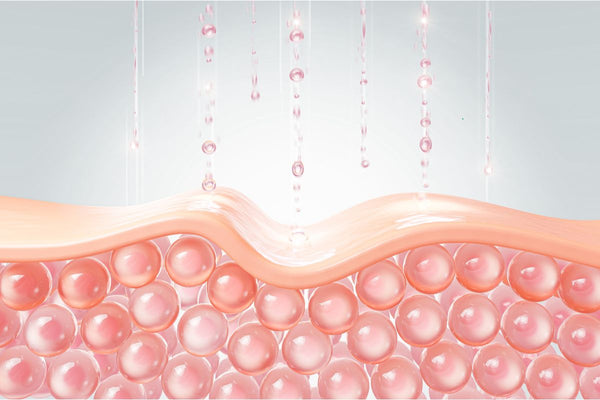
The skin microbiome is an invisible but essential protagonist: skin is not just a surface to cleanse, but a living ecosystem to protect. Problems such as persistent acne, excessive dryness, redness, and sensitivity often result from an imbalance in this natural shield, not just from skin type.
Let's look at what it is, how it becomes damaged, and how prebiotics, probiotics, and postbiotics can help restore its balance.
What is the skin microbiome?
It is the collection of microorganisms that live on the skin's surface. When the microbiome is healthy and diverse, the skin is protected, hydrated, and able to regenerate. When it loses diversity, pathogens take over and blemishes, redness, dryness, and hypersensitivity may appear.
It lives on the outermost layer of the epidermis and is one of the defense systems the skin deploys alongside the lipid barrier and the hydrolipidic film: to understand how they fit together, you can find the complete picture in the guide on how the skin is structured and how it works.
Microbiota or microbiome: what is the difference?
The two terms are often used as synonyms, but they refer to different things. The microbiota is the community of microorganisms itself — the bacteria, fungi, and viruses that inhabit the skin. The microbiome is the entirety of their genetic makeup and, by extension, the ecosystem they form with the skin environment.
In practice: the microbiota is what inhabits the skin, while the microbiome is the community together with its complete genetic and functional makeup. “Microbiome” is now the more common term in cosmetic language, but seeing “skin microbiota” on a label does not indicate anything different.
What are the skin microbiota?
Its composition varies from one area to another because each part of the body has different temperature, humidity, and sebum levels. The most represented groups are:
- Cutibacterium acnes (formerly Propionibacterium): it predominates in areas rich in sebaceous glands, such as the face, back, and chest. It is a normal skin resident; only some strains, under imbalanced conditions, are associated with acne.
- Staphylococcus epidermidis: one of the most widespread species, it helps maintain an acidic pH and keep pathogens in check.
- Corynebacterium: prevalent in moist areas such as the armpits and skin folds.
- Malassezia: the most common yeast on the skin, involved—when it proliferates—in dandruff and facial seborrheic dermatitis.
Its main functions
- Barrier effect: occupies the available space and hinders colonization by pathogenic bacteria.
- Immune communication: helps the skin distinguish when to react and when to remain calm, helping prevent excessive responses.
- pH maintenance: supports optimal skin acidity, which in itself inhibits the growth of pathogens. We discuss this in detail in the article on the skin’s pH.
How it is damaged
When the balance between microorganisms is disrupted, it is referred to as skin dysbiosis, an altered state associated with several conditions: rosacea, acne, atopic dermatitis, and premature aging.
The most common causes:
- Harsh cleansing: sulfate-based foaming cleansers and alkaline soaps remove natural lipids and disrupt the skin flora.
- Pollution and UV rays, which alter the microbial composition.
- Overuse of exfoliating acids and retinoids without adequate soothing support.
- Stress, antibiotics, and a low-fiber diet, which affect the gut microbiome and indirectly the skin microbiome.
One distinction is worth keeping clear: dysbiosis is associated with these conditions; it is not automatically their cause. In atopic dermatitis, rosacea, and moderate or severe acne, diagnosis and treatment remain the dermatologist’s responsibility; a microbiome-friendly routine improves comfort and tolerance but does not replace medical care.
The gut–skin axis
The gut microbiota and the skin microbiota are not separate compartments. The gut modulates the immune response and the body's level of inflammation, and the skin is affected by this: this is why periods of irregular eating, antibiotic treatments, or prolonged stress often lead to visible worsening of the complexion and blemishes.
In practical terms, this means two things. First, a diet rich in fiber and fermented foods also indirectly supports the skin. Second, no cosmetic product, however well formulated, can compensate on its own for an imbalance originating in another area: topical care works best when everything else is also in order.
Prebiotics, probiotics, and postbiotics
They are not synonyms: they refer to different strategies. Understanding the difference is the first step toward making informed choices.
Prebiotics
These are substances that selectively nourish beneficial microorganisms, helping them thrive at the expense of harmful ones. They generally consist of fibers and sugars: plant extracts, colloidal oatmeal, and inulin.
They are particularly recommended for dry and sensitive skin that needs to strengthen its natural defenses.
Probiotics
Live bacteria are not used in cosmetics, but rather bacterial lysates or inactivated microorganisms. Although they are not viable, these structures are recognized by the skin and activate positive immune responses, promoting the production of antimicrobial peptides.
They are recommended for reactive skin or acne-prone skin, to reduce underlying inflammation.
Postbiotics
These are the products of bacterial metabolism: fatty acids, enzymes, peptides, and lactic acid. Their advantage is immediate availability — they provide the skin with the benefits of a healthy microbiome, hydration and pH acidification, without having to wait for balance to be restored.
A useful clarification when browsing the shelves: the terms “probiotic” and “microbiome friendly” have no regulatory definition in cosmetics. There is no standard certifying their meaning. What can be assessed is the formula: absence of harsh surfactants, a pH compatible with that of the skin, and the presence of prebiotics or ferments declared in the INCI.
A microbiome-friendly routine
Affinity cleansing
The first step is to stop using highly foaming gels. Oil or milk cleansers are better, as they cleanse without sterilizing.

CLEANSING GENTLE OIL Rich cleansing and makeup removing gel oil for a deep cleansing, protects the hydrolipidic barrier Protects the skin... Discover CLEANSING GENTLE OIL
Cleansing Gentle Oil removes impurities from pores through affinity cleansing while respecting the microbiome. It is based on hazelnut oil, carrot oil, and grapeseed oil, with a fermented pomegranate enzymatic extract with detoxifying action.
Serums and treatments
You can choose formulas containing probiotic lysates or ferments, which support microbial balance.
Moderate exfoliation
It should not be eliminated, but adjusted by reducing mechanical scrubs and excessively high concentrations of acids.
Hydration
Creams containing prebiotic sugars such as inulin or fructo-oligosaccharides are useful: they nourish the skin barrier and protect it from external agents.

NUTRALIGHT SENSITIVE Soothing and repairing face cream with thermal water from the Piedmont Alps – ideal for sensitive and reactive skin ... Discover NUTRALIGHT SENSITIVE
Sun protection
It completes the routine. Spot Defence 50 SPF is enriched with vitamin C and lactobacillus ferments, with bioactive metabolites—lactic acid, peptides, and polysaccharides—that support the balance of the skin microbiota.

SPOT DEFENCE 50 SPF Anti-spot face sunscreen serum SPF 50 with encapsulated vitamin C and probiotic ferments for skin with discolorations... Discover SPOT DEFENCE 50 SPF
If you prefer an in-person consultation before changing your cleanser, you can find LeLang products and expert advice at partner pharmacies throughout Italy.
Frequently asked questions about the skin microbiome
What is the skin microbiome?
It is the ecosystem formed by the microorganisms that live on the skin—bacteria, fungi, and viruses—together with their genetic material. It is not an unwanted guest: it contributes to the barrier function, maintains the skin’s acidic pH, and communicates with the skin’s immune system, helping it distinguish what deserves a reaction from what does not.
How do you restore the skin microbiome?
You restore balance by removing before adding. The step with the fastest effect is replacing highly foaming cleansers with gentle, pH-compatible formulas and reducing the frequency of exfoliating acids and retinoids until the skin calms down. From there, support the ecosystem with prebiotics, ferments, and postbiotics, and protect it from UV rays. The typical timeframe is 4–8 weeks: this is the period when the microbial community re-establishes its balance.
What is the best probiotic for the skin?
There is no single strain that works for everyone, and it should be noted that live bacteria are not applied in cosmetics: lysates or inactivated microorganisms are used, together with prebiotics and postbiotics. Lactobacillus ferments are among the most studied and widely used. Since the term “probiotic” is not regulated in cosmetics, the most reliable criterion remains the overall formula: gentle surfactants, the correct pH, and ferments declared in the INCI.
What are the skin’s microbes?
The most prevalent are Cutibacterium acnes in sebaceous areas, Staphylococcus epidermidis across much of the surface, Corynebacterium in damp areas, and the yeast Malassezia. The composition varies from person to person and, within the same person, from one area to another: the face hosts a different community from the forearm or scalp.
Does the scalp have a microbiome?
Yes, with its own characteristics. The scalp is a warm, humid, sebum-rich environment where Cutibacterium and the yeast Malassezia predominate. When the latter proliferates excessively, it is associated with dandruff and itching. The same logic applies here as to the face: overly harsh or overly frequent shampooing worsens the imbalance instead of resolving it.
In conclusion
Taking care of the microbiome means working in synergy with the biology of the skin rather than against it. It is also a change in perspective: from “eliminating bacteria” to “supporting the right ones”.
If you want stronger, less reactive skin in the long term, incorporating prebiotics, probiotics, and postbiotics into your routine is one of the most sensible strategies currently available.
The sources for this article
01 Byrd A. L., Belkaid Y., Segre J. A., “The human skin microbiome”, Nature Reviews Microbiology, vol. 16, no. 3, 2018, pp. 143–155. Review of the composition of the skin microbiota in different areas of the body, its variability, and its interaction with the immune system.
02 Salem I., Ramser A., Isham N., Ghannoum M. A., “The Gut Microbiome as a Major Regulator of the Gut-Skin Axis”, Frontiers in Microbiology, vol. 9, article 1459, 2018. Review of the gut-skin axis and the modulation of the skin’s immune response.
03 Regulation (EC) No. 1223/2009 on cosmetic products, Articles 2 and 20, and Regulation (EU) No. 655/2013 on common criteria for cosmetic product claims: neither regulation defines the terms “probiotic” or “microbiome friendly”.
On the website: how the skin is structured · the skin’s pH · the skin barrier · facial seborrheic dermatitis · understanding acne
15-minute free consultation with the founder
If your skin has become reactive and you suspect that your routine is too aggressive, we can review it together: Elisa Avalle, founder of LeLang, will help you understand what to remove before deciding what to add.