


[INDICE:h2]
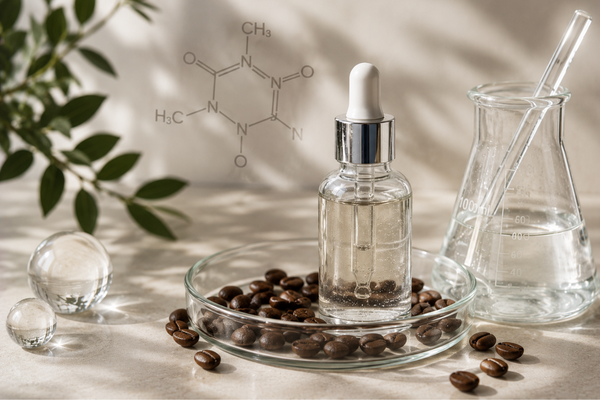
Azeloglicina® is one of those ingredients appreciated not only for its effectiveness, but above all for its versatility. It is a derivative of azelaic acid developed to overcome its formulation limitations.
Why Azeloglicina was developed
Azelaic acid is known for its anti-seborrheic, antifungal, and anti-acne properties, making it valuable for those with oily, blemish-prone skin. However, it has several limitations in topical formulations.
To be effective, it requires high concentrations, which can be irritating. The formulations are dense and difficult to apply, and the traditional chemical methods used to solubilize it can cause decarboxylation, reducing the product's effectiveness during storage.
Azeloglicina®, listed in the INCI as Potassium Azeloyl Diglycinate, is a water-soluble active ingredient that is much better tolerated than pure azelaic acid. It combines the action of the original ingredient with glycine, an amino acid that contributes to skin hydration and elasticity.
How it works
Its high water solubility enables targeted activity even at low concentrations, while maintaining a pleasant texture and better stability over time.
The azelaic component helps reduce excess sebum and even out the complexion; glycine hydrates and supports the skin barrier. This combination makes the active ingredient gentler and suitable for sensitive skin as well.
Documented benefits
The data below come from the active ingredient manufacturer's tests, with instrumental measurements taken on a sample of 5 subjects. We always indicate the source of the figures we report: knowing where data come from is part of making an informed choice, and these figures measure the extent of the observed effect on the appearance of the skin.
Sebum-regulating action
This is its most characteristic property: it helps reduce oiliness, minimize the appearance of enlarged pores, and limit the formation of new blemishes. In the manufacturer's tests, with a 3% solution applied twice daily, the reduction in sebum ranged from 27% on the nose to 31.5% on the chin.

Evenness of the complexion
The active ingredient acts on melanocytes by modulating melanin synthesis, the pigment responsible for skin discoloration. On the one hand, it improves radiance; on the other, it helps reduce the appearance of dark spots, including post-inflammatory marks left by comedones.

Hydration and elasticity
Glycine is an amino acid with emollient and hydrating properties that helps keep the skin soft and supple by limiting water loss. In the manufacturer's tests, hydration improved by 12.7% on the forehead and 8.2% on the cheeks over three weeks.

Where it is used
Thanks to its stability and versatility, Azeloglicina® is used in brightening creams, hyperpigmentation treatments, anti-aging products, and sebum-regulating formulations for oily or acne-prone skin.
Acnerebal: Azeloglicina in LeLang formulas
Acnerebal Cream is the ultra-fluid-texture cream developed for combination and oily skin prone to blemishes.
Azeloglicina® works synergistically with Zincidone®, a biomineral complex that supports the balance of the skin microbiome, and with niacinamide, which adds antioxidant and soothing benefits.

ACNEREBAL CREAM Sebum-normalizing, evening and mattifying cream based on Azeloglicina®, Zincidone®, Niacinamide Reduces sebum produc... Discover ACNEREBAL CREAM
Combined with Acnerebal Serum, it forms a targeted treatment for blemishes that is also suitable for prolonged daily use.

ACNEREBAL SERUM Sebum-normalizing serum and reduction of enlarged pores based on Salicylic Acid, Zincidone, Niacinamide Reduce enlar... Discover ACNEREBAL SERUM
On the Azeloglicina ingredient page, you can find the complete list of LeLang formulas that contain it.
The complete protocol, step by step, is described in the article on teenage acne and the Acnerebal Protocol. If your blemishes appeared after the age of thirty, the situation is different: you can find the dedicated approach in the article on adult-onset acne.
One useful clarification: acne is a dermatological condition, not merely a cosmetic concern. A well-formulated cosmetic product can support and improve the appearance of the skin, but for inflammatory or nodulocystic forms, a dermatologist remains the appropriate point of reference.
Free 15-minute consultation with the founder
Would you like to know whether Azeloglicina is the right active ingredient for your skin? Book a free virtual skincare consultation with Elisa Avalle, founder of LeLang.